

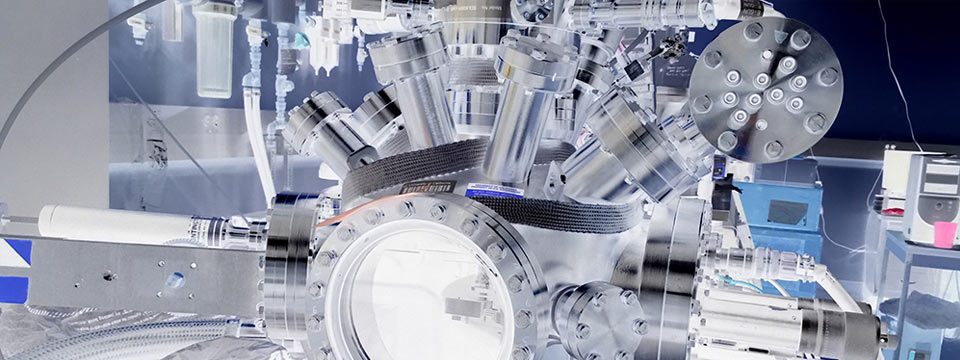
PHYSICAL METALLURGY covers theories on the structure of metals and alloys, imperfections in metals, phase equilibrium and structure, diffusion in solids, phase transformations, plastic deformation of metals and alloys, strengthening mechanisms, and heat treatment of steels. It also investigates relationships between the structure of materials and their properties.
- Teacher: LIM HOOI PENG LIM
- Enrolled students: 16
MATERIAL SCIENCE AND ENGINEERING course is an introduction to students to learn the fundamentals of materials science and engineering (structure, properties, design and performance). The key step in engineering process is selection of materials for the applications. In the course, students will learn about different classifications of materials, atomic structure and bonding, materials properties, phase diagram and processes involved to produce a final product. This includes advanced techniques in metal fabrications such as powder metallurgy and 3D printing technology. Students will also learn to analyze the materials failure in the structure, applications and environments. Laboratory work will be used to perform the testing techniques employed by materials engineers to determine the properties and evaluate the materials tested. In order to cater for Industry 4.0 technology, students will be given case study and examples based on the current trends in materials and applications.
- Teacher: SURIA BINTI MOHD SAMDIN Ms Suri
- Enrolled students: 62
- Teacher: CHOK KONG YU CHOK
- Enrolled students: 17